Free Fire Esports rules 2026
Free Fire eSports Rules 2026: Major Updates, Violations & Anti-Cheat System
Meta Title
Free Fire eSports Rules 2025: Updates & Violations
Meta Description
Discover Free Fire eSports rules 2025 including Champion Rush format, anti-cheat measures, major violations & penalties. Stay updated with tournament regulations.
Introduction
Free Fire eSports has revolutionized competitive mobile gaming with groundbreaking rule changes in 2025. From the innovative Champion Rush tournament format to an aggressive anti-cheat program that's already banned over 23,000 accounts, Garena is reshaping how competitive Free Fire is played globally. Whether you're an aspiring professional player, a team manager, or an avid fan of Free Fire eSports, understanding these regulations is crucial. This comprehensive guide breaks down everything you need to know about the latest rule updates, high-profile violations, and what they mean for the competitive landscape.
Table of Contents
- Champion Rush: The Revolutionary 2025 Tournament Format
- Enhanced Anti-Cheat Measures and Ban Statistics
- Major Rule Violations: High-Profile Cases
- Complete Rule Breakdown for Competitive Play
- Penalty Structure: Understanding the Consequences
- What These Changes Mean for Players
Champion Rush: The Revolutionary 2025 Tournament Format
The most significant change to Free Fire competitive play in 2025 is the introduction of the Champion Rush format, which has completely transformed how tournaments reach their conclusion.
How Champion Rush Works
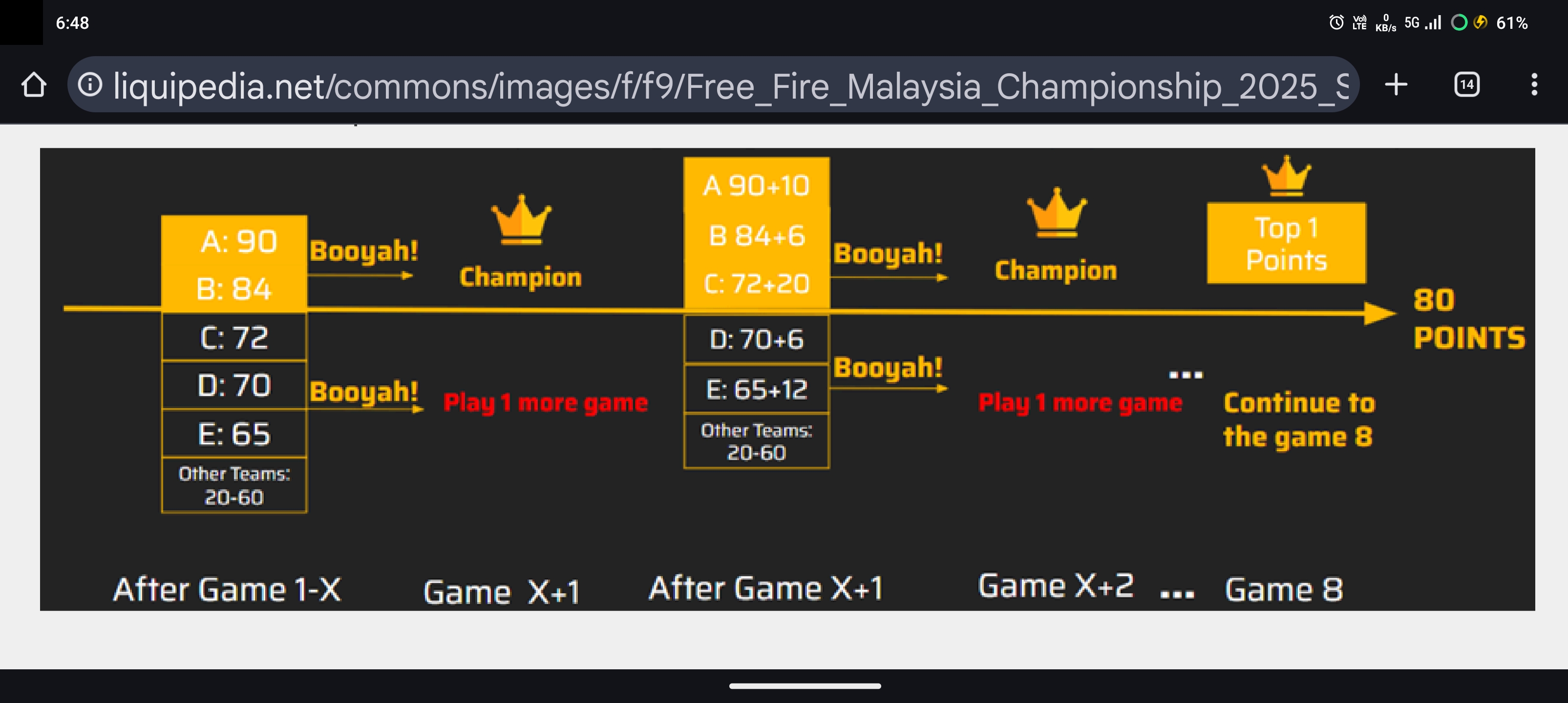
Unlike traditional point-accumulation systems, Champion Rush creates a dynamic, high-stakes environment where any match could be the last:
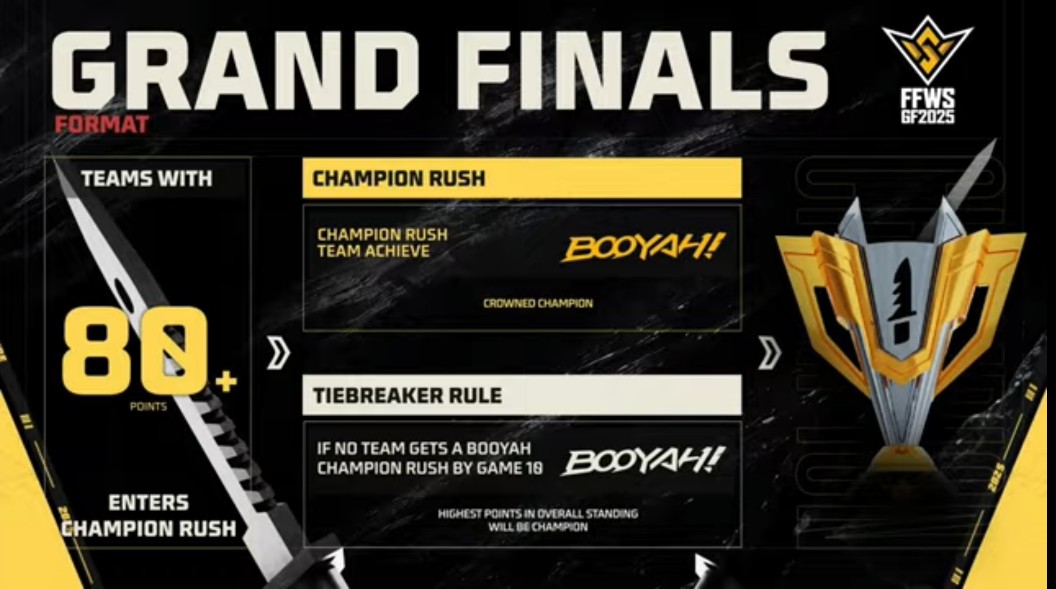
- Winning Condition: The first team to reach 80 points AND secure a "Booyah" (victory) immediately wins the championship
- Maximum Duration: 10 games maximum per tournament
- Fallback Rule: If no team hits 80 points after 10 games, the highest-scoring team takes the title
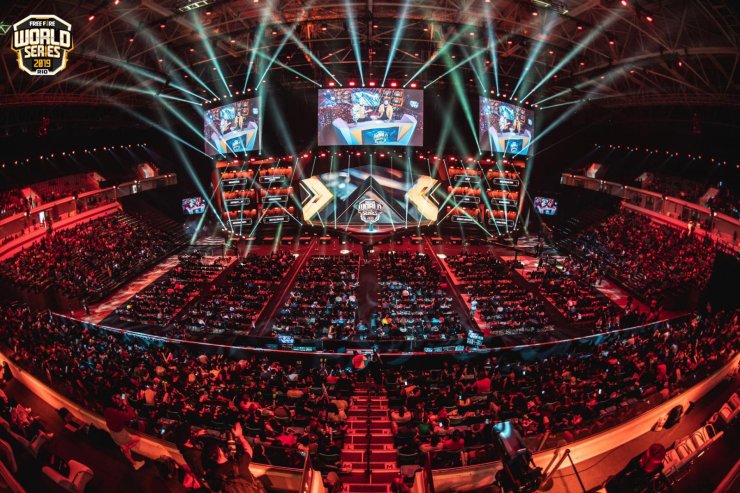
This format was first implemented at the Free Fire World Series 2025, creating unprecedented excitement as teams balanced aggressive play for Booyahs against consistent point-gathering strategies. The format rewards both consistency and clutch performance, making every final circle potentially championship-defining.
Strategic Implications
The Champion Rush format has forced top rushers and aggressive players to recalibrate their approach. Teams can no longer rely solely on placement points—they must be capable of securing victories when they reach the 80-point threshold. This has elevated the importance of mechanically skilled players, particularly elite snipers who can secure crucial eliminations in late-game situations.
Enhanced Anti-Cheat Measures and Ban Statistics
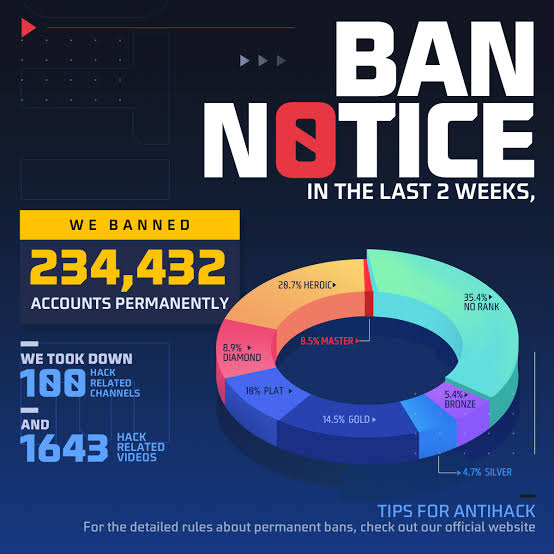
Free Fire's commitment to competitive integrity reached new heights in 2025 with the implementation of the AntiHack Program, a comprehensive system designed to eliminate cheating at all levels of play.
The Numbers Tell the Story
Since November 28, 2025, Free Fire's anti-cheat systems have delivered impressive results:
| Metric | Count |
|---|---|
| Total Accounts Banned | 23,335+ |
| Ban Type | Permanent |
| Detection Method | AI-Powered + Community Reports |
| Policy | Zero Tolerance |

How the System Works
The AntiHack Program employs multiple detection layers:
Real-Time Monitoring: AI-powered systems analyze gameplay data during matches, identifying patterns consistent with modified clients, aimbots, wallhacks, and other cheating software.
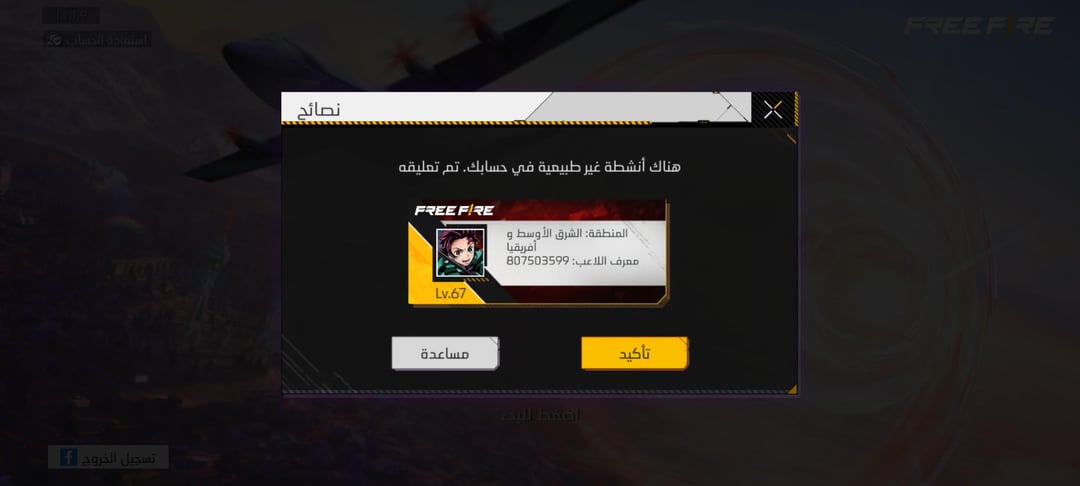
Device-Level Bans: Unlike simple account bans that cheaters could circumvent by creating new accounts, the system now implements permanent device bans, making it significantly harder for repeat offenders to return.
Community Reporting: Added in November 2025, players can now report suspicious behavior directly, with reports being cross-referenced against automated detection systems for faster action.
Post-Match Analysis: Every competitive match undergoes automated review, checking for abnormal statistics, impossible shots, and other indicators of foul play.
This aggressive stance represents a fundamental shift in how Free Fire approaches competitive integrity. The message is clear: cheating will not be tolerated, and the consequences are severe and permanent.
Major Rule Violations: High-Profile Cases
Understanding the rules means understanding what happens when they're broken. Several high-profile cases in 2024-2025 have set important precedents for the competitive scene.
The GOW Esports Glitch Exploitation
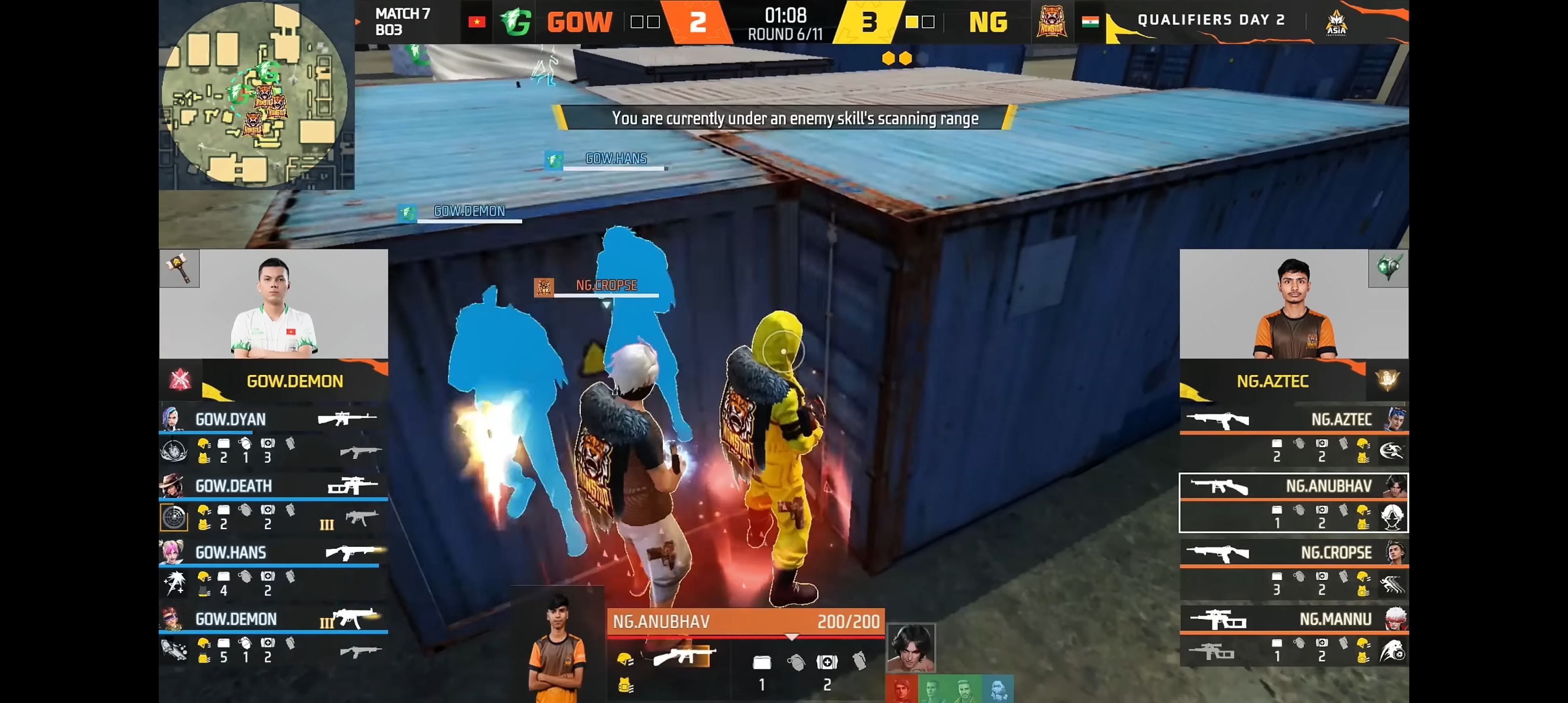
The Incident: During FFMAI 2025 Clash Squad on December 19, 2025, Vietnam's GOW Esports faced India's NG Pros in what should have been a standard competitive match. However, GOW players exploited an in-game glitch that allowed them to deal damage through solid objects—specifically, shooting through a container.
The Ruling: Tournament officials immediately invoked Rule 7.2, which explicitly prohibits intentional exploitation of bugs or glitches. GOW Esports was disqualified from the entire tournament, NG Pros was declared the winner and advanced to the Quarter Finals, and additional sanctions were placed under review.

This case established that even in high-stakes international competition, no team is too big to face consequences for rule violations.
VoidWalkers Identity Tampering
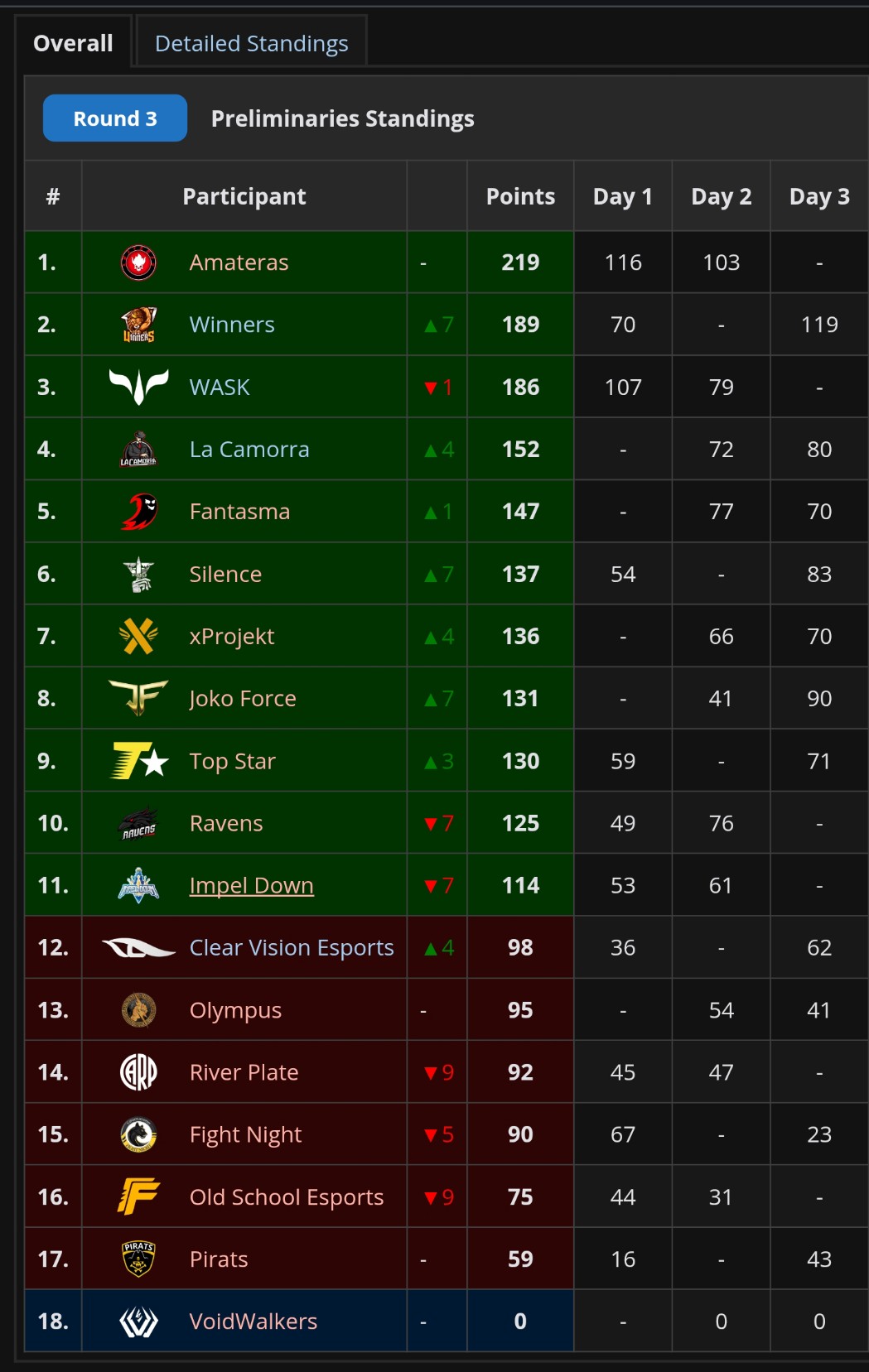
At the Battle of Morocco 2025, VoidWalkers was caught engaging in identity tampering—using players who weren't officially registered to their roster or falsifying player credentials. The penalty was swift and severe: both the organization and the involved player received one-year bans from all Free Fire competitive events.
Mass Disqualification at FFMIC 2025
July 2025 saw one of the largest enforcement actions in Free Fire eSports history when 13 teams, including the prominent Team Elite, were simultaneously disqualified from FFMIC 2025 for various rule violations. This mass action sent shockwaves through the competitive community and demonstrated that organizers were willing to enforce standards even if it meant removing significant portions of the bracket.
Complete Rule Breakdown for Competitive Play
Player Conduct and Eligibility
Every Free Fire eSports competitor must adhere to strict conduct standards:
- Maintain high ethical standards in all tournament-related activities
- Refrain from any conduct violating civil or criminal laws
- No involvement in gambling activities related to Free Fire matches
- Avoid any actions that could damage Garena's reputation
- No fraudulent activities, bribery, or match-fixing
Team Composition and Registration
Standard Team Structure:
- Maximum of 6 players per team
- 4 active players + 2 substitutes
- Roster locks enforced before tournament starts
- Limited substitutions during active competition
Match Formats:
- Battle Royale: 12 teams maximum per match
- Clash Squad: Head-to-head 4v4 format
Equipment and Technical Requirements
Free Fire maintains strict equipment regulations to ensure fair play:
Approved Devices:
- Only specified mobile devices allowed
- No PC emulators permitted
- No tablet devices in most tournaments
- All devices must be registered before competition
Network Standards:
- Stable internet connection mandatory
- Individual disconnections don't result in match restarts
- High ping may result in penalties if it affects match integrity
The Critical Rule 7.2: Bug and Glitch Exploitation
This rule has become central to Free Fire eSports enforcement:
Intentional Exploitation: Deliberately using bugs or glitches for competitive advantage results in immediate disqualification and potential long-term bans.
Unintentional Exploitation: Accidentally benefiting from a bug may result in warnings and point deductions, but teams must report discovered bugs immediately.
The GOW Esports case demonstrated that "we didn't know" isn't an acceptable defense—professional players are expected to recognize when something isn't working as intended.
Penalty Structure: Understanding the Consequences
Free Fire employs a tiered penalty system based on violation severity:
Minor Penalties
- First-time offender warnings
- 5-10 match point deductions
- Financial fines for repeat minor offenses
Major Penalties
- Match forfeiture
- Full tournament disqualification
- 1-2 year bans from competitive play
- Complete prize money forfeiture
Extreme Penalties
- Permanent competitive bans
- Hardware device bans
- IP address restrictions
- Potential legal action for severe violations
The key principle: penalties scale with both the severity of the violation and the player's history. A first-time minor offense might result in a warning, while repeat offenders face progressively harsher consequences.
What These Changes Mean for Players
The 2025 rule updates represent Free Fire's evolution from a casual mobile game into a legitimate eSport with professional standards comparable to traditional sports leagues.
For aspiring professionals, the message is clear: talent alone isn't enough. Understanding and adhering to tournament regulations is as important as mechanical skill. Countries like Thailand and Indonesia dominate not just because of skilled players, but because their competitive ecosystems emphasize professionalism and rule compliance.
For existing professionals, these changes demand adaptation. The Champion Rush format requires teams to be capable of both consistent performance and clutch victories. The aggressive anti-cheat measures mean there's no margin for error—any attempt to gain unfair advantage will likely be caught and punished severely.
For organizations, the mass disqualifications and high-profile cases serve as warnings: due diligence on player conduct and roster management is essential. A single player's violation can result in organizational bans and reputational damage.
FAQ Schema
What is the Champion Rush format in Free Fire eSports? Champion Rush is a tournament format where the first team to reach 80 points and secure a Booyah wins immediately, with a maximum of 10 games played.
How many accounts has Free Fire banned in 2025? Free Fire has banned over 23,335 accounts since November 28, 2025, through their AntiHack Program.
What happened to GOW Esports at FFMAI 2025? GOW Esports was disqualified for exploiting an in-game glitch that allowed them to deal damage through containers, violating Rule 7.2.
Can you use PC emulators in Free Fire tournaments? No, PC emulators and tablets are prohibited in Free Fire competitive tournaments. Only approved mobile devices are permitted.
What is a device ban in Free Fire? A device ban permanently blocks a specific hardware device from accessing competitive Free Fire, preventing cheaters from simply creating new accounts.
Conclusion
Free Fire eSports rules in 2025 reflect a mature competitive ecosystem prioritizing integrity, fairness, and innovation. The Champion Rush format adds excitement while the aggressive anti-cheat measures protect competitive integrity. Recent high-profile violations demonstrate that no player or team is above the rules. As Free Fire continues evolving, staying informed about regulations isn't optional—it's essential for anyone serious about competitive play.